Before we take a look at the best song 1963 had to offer, here are ten songs that were also very good, but failed to make the cut.
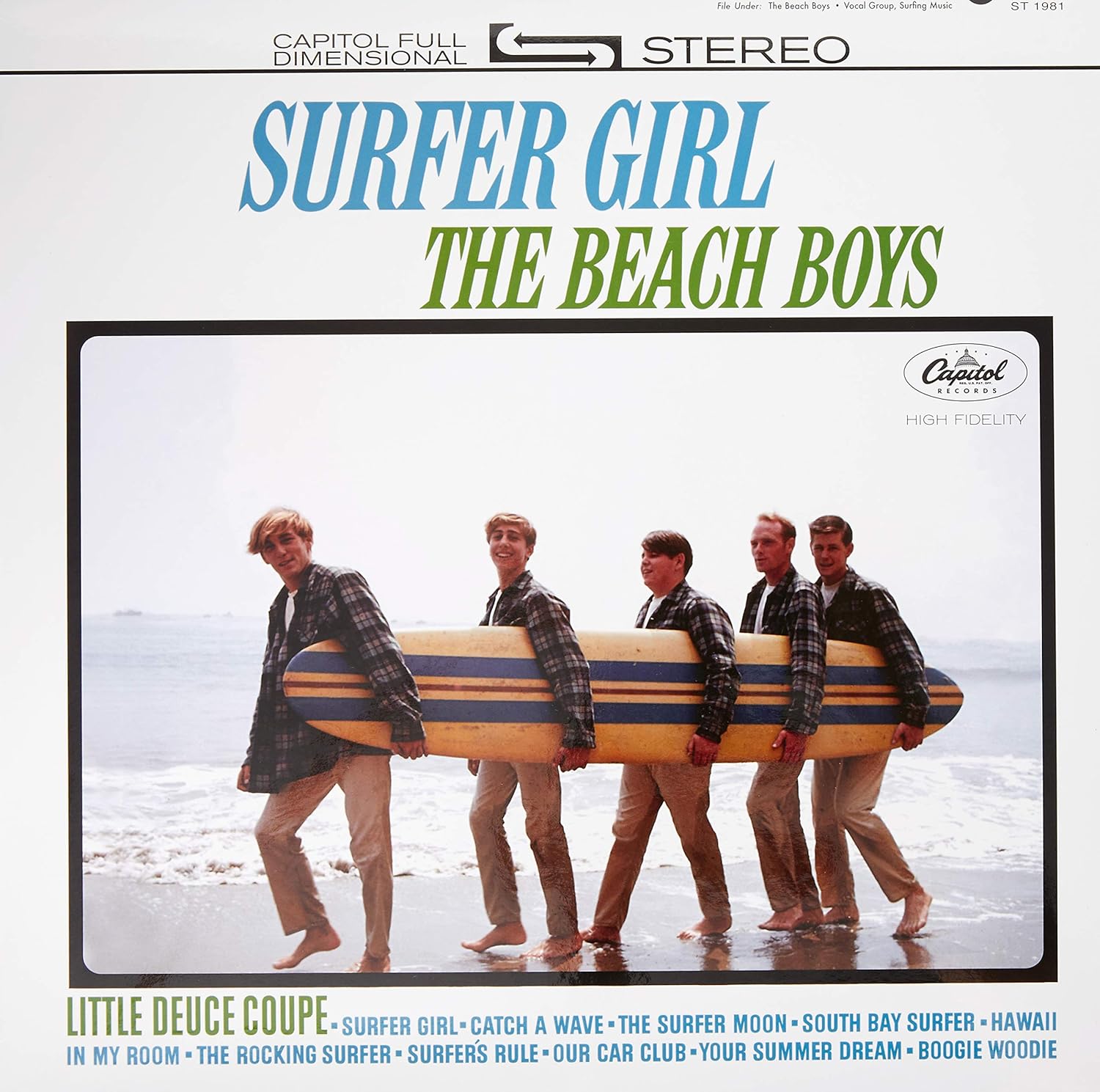
“Surfer Girl” – The Beach Boys
#7 peak
#35 year-end
It’s been said that before The Beach Boys broke their careers wide open on the seminal record Pet Sounds, they had three song topics: Surfing, cars, and girls. In 1963, they covered all three: Surfing on “Surfin’ U.S.A.,” cars on “Shut Down,” and girls on this song. But “Surfer Girl” didn’t stand out because of its subject matter. “Surfer Girl” is a great song because while it may sound like another 12/8 love ballad on first listen, in my opinion this song paved the way for future Beach Boys success down the road.
As I just stated, while the Beach Boys’s early hits like “Surfin’ Safari” and “Surfin’ U.S.A.” are a lot of fun, they wear their influences on their sleeve. It’s obvious listening to them that The Beach Boys were trying to be Chuck Berry with amazing harmonies. Along with my discussion on “Surfin’ U.S.A.,” “Fun, Fun, Fun” opens up with the exact same guitar riff as “Johnny B. Goode.” “Surfer Girl” broke that tradition with a beautiful melody that serves as a showcase for the Beach Boys’ aforementioned amazing melodies.
Brian Wilson has stated that this was his first all-original melody, though his friends dispute this. His melody for the song was based on “When You Wish Upon A Star,” the iconic song sung by Cliff Edwards in Pinocchio, that had recently been covered by Dion and the Belmonts. The Dion and the Belmonts cover of “When You Wish Upon A Star” shifts the song from 4/4 time to the 12/8 time that was en vogue in the early 1960’s, and speeds up the tempo to 105 bpm, the same tempo used in “Surfer Girl.” However, “Surfer Girl” uses different chords to frame its melody, with “When You Wish Upon A Star” using E as its tonic and “Surfer Girl” using many different chords to frame its melody, using a D as its tonic while alternating it with Dmaj7 and D7 chords. Additionally, its melody rises and falls at different points, with the melody of “Surfer Girl” reaching its peak at the second of four lines, while “When You Wish Upon A Star” reaches its peak at the third line of its stanza. Therein lies the difference between “Surfin’ U.S.A.” and “Surfer Girl.” While “Surfin’ U.S.A” was completely based on another song, “Surfer Girl” was an entirely new song inspired by a previous song.
And it’s a great melody, too: how Brian Wilson’s falsetto rises during the second line of each verse, at the “Make my heart come all undone” lyric. Add to that, too, how Brian’s voice just suddenly rises during the “surfer girl” recitation. The melody is a personification of the waves of the sea, how it just rises and falls, then rises again. Listening to this song is just like floating out at sea. It’s so relaxing. Listening to “Surfer Girl” is like hearing a lullaby written for adults.
With the one-two-three punch of this song, the sin of omission “In My Room,” and next year’s “The Warmth Of The Sun,” their world opened up. While the latter two songs went further in expanding the band’s palette lyrically, “Surfer Girl” proved they could do more than churn out the same three chord surf rock songs. It may not be the greatest song they ever released, but when following their timeline, “Surfer Girl” became one of the most important.
“Then He Kissed Me” – The Crystals
#6 peak
#68 year-end
Again, 1963 was arguably the peak of Phil Spector and girl groups, with this song being a prime example of such. This song, with its story of complete fluff, is a classic and one of the most painful cuts I had to make from the main list.
Everything starts off with that four note guitar riff, which is instantly memorable and serves as the perfect interlude before the wall of sound with its pounding timpani drums and sleigh bells hits for the remaining three minutes. And even that’s pretty good too, with its ringing percussion and banging piano parts. The song’s lyrics may be completely lightweight with its story of being in love with someone who asked her out before he kissed her, but I mean, what would you rather hear? A song about a woman who was kissed by a guy, or a song screaming about a breakup? I thought so. Plus, let’s be honest, the music’s pounding heartbeat with those drums and the guitar riff makes it sound like this song is the encapsulation of first love. Great song, and more proof that Phil Spector was a horrible person, but a great producer.

“Just One Look” – Doris Troy
#10 peak
#81 year-end
Guys, I think I cheated here. After all the ranting I did about songs where the protagonist desperately needed that man or woman in their life or their life would end, it feels wrong to include a song that features these lyrics…
I’m gonna keep on scheming
Till I make you, make you my own
Without you I’m nothing, oh oh
So why does “Just One Look” work where the other 1963 breakup songs fail? Well, I think the lyrics are different because of how they are presented. Songs like “Still” and “I Wanna Be Around” sounded like they were said by someone moping in their room like a grounded teenager, ruminating about how terrible their lives were. But “Just One Look” sounds like a ridiculously excited woman coming up to a man and telling him how much she wants to become his girlfriend. Doris Troy legitimately sounds happy, and that makes all the difference here.
And the presentation works a lot better here too. Unlike the sad, mournful presentation of the other breakup songs we went through on the worst list, “Just One Look” sounds glorious. Doris Troy’s singing performance sounds impassioned yet soulful, the guitar chords are well played, and the pianos in particular add a touch of color to this song. If you’re going to listen to one “I need you or else” song from 1963, this is the one.

“Surf City” – Jan & Dean
#1 peak (July 20-27, 1963)
#28 year-end
So how did “Surf City” get nominated for the list? Simple.
Two girls for every
Two girls for every
Boy…
THREESOMES!! WHOOOOOO!!!!!!!!!
But in all seriousness, when you look at all the Beach Boys ripoffs coming through in the 1960’s, this song was about as good as you were going to get. Jan and Dean sound like complete clones of Brian Wilson and Mike Love, but their performances are still good. I mean, Patrick Stump has made a career off of sounding like Jim Adkins in “Bleed American,” and Brendan Urie has made a career off of sounding like Patrick Stump. And nothing about Jan and Dean’s vocals sounds generic, their backing harmonies on the chorus sound particularly inspired. Adding to that, the music is bouncy and fun, even if it’s just a three chord song. Not to mention, Brian Wilson co-wrote this song with Jan & Dean frontman Jan Barry, meaning that this is not a Beach Boys ripoff, but a Beach Boys song that was given away to another artist. Whatever. It still rules.
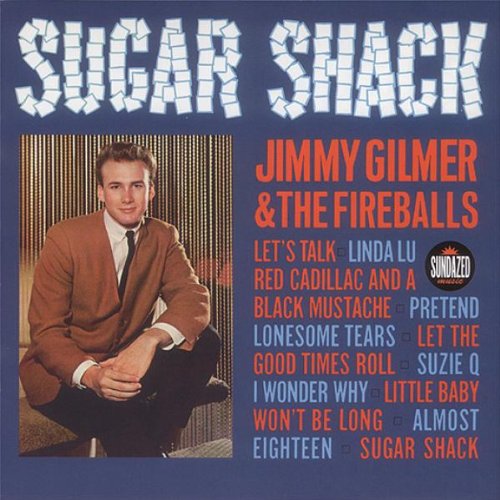
“Sugar Shack” – Jimmy Gilmer & The Fireballs
#1 peak (October 12 – November 9, 1963)
#1 year-end
It’s hard to remember in a year that brought us the peak of the Wall of Sound, as well the breakthrough of Surf Rock and Motown, “Sugar Shack” was the number one song of the year. Partially because of several other songs in those genres that were much more famous than this song, and also because “Sugar Shack” is largely forgotten today, with just 4.6 million streams on Spotify. One good point was made by Tom Breihan on his Number Ones column on Stereogum, where he mentioned that this was essentially the last big rock and roll song, as it finished its run at #1 just before JFK was assassinated in Dallas, and when the Beatles came to America. In effect, this was the last propeller engine aircraft before the jets came. The one part that I disagreed with was when Breihan gave this song a 4/10. And that’s a shame, because “Sugar Shack” rules.
“Sugar Shack” is on here almost entirely because of the music. Many hit songs of 1963 sound innocent and unemphatic. Not this one. “Sugar Shack” stands out because of two reasons – that bassline and that keyboard riff. The bass, which kicks off the song, is just booming, chaotic and fun. It’s so ramshackle it sounds like all four strings are about to fall off at any given moment, but that’s part of its charm. When I hear the four note bass riff come on my speakers, I bump that. There aren’t many songs from 1963 that sound amazing when you play them loud. “Sugar Shack” is one of them, because of that bass. And then there’s the Solovox keyboard, played by producer Norman Petty. This had the potential to sound irritating, but it’s easily recognizable and charming in its execution.
If there’s a reason “Sugar Shack” isn’t on the main list, it’s probably because of the lyrics and vocals. It’s pretty much your cheesy love song about a guy who meets a “cute little girly” at the titular sugar shack, with some awkward stops in the vocal melody. Particularly when Jimmy Gilmer announces, “Espresso coffee tastes… mighty good!” But this whole song is just innocent fun, especially with that bass and Solovox.
Also, this song recently inspired this gem…
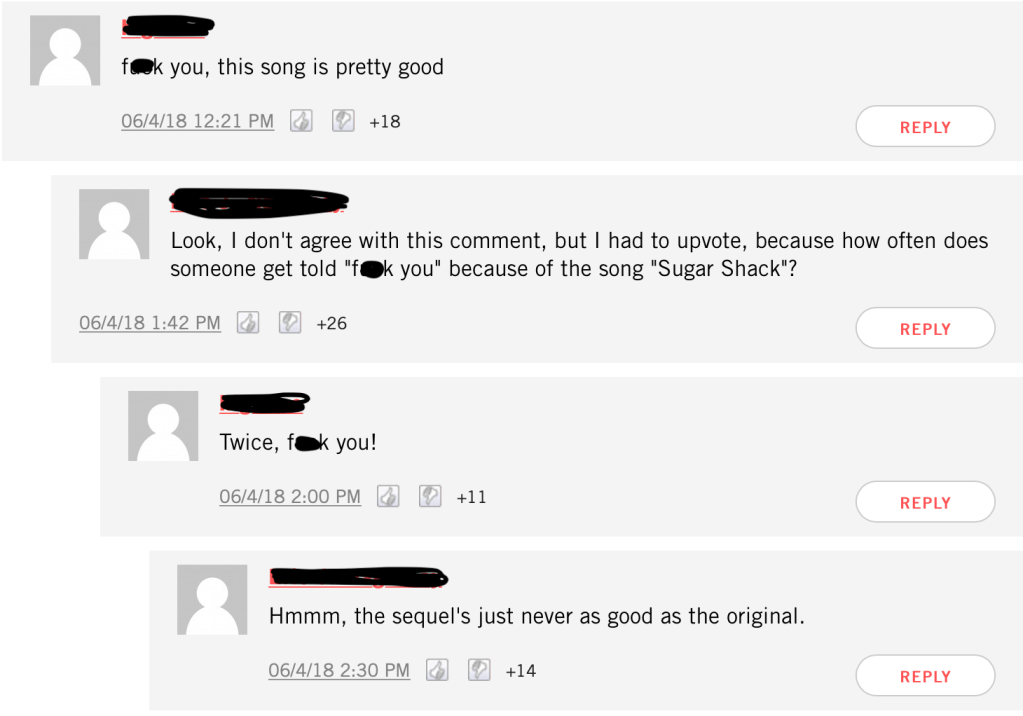
Russell Simmons’ Def Sugar Shack JAM! Only on HBO!

“The Monkey Time” – Major Lance
#8 peak
#49 year-end
I’m sure you just read the title of this song and asked, how is a song entitled “The Monkey Time” on this list? Is this song literally about monkeys?
Well, no. It’s a dance song, as we still had a lot of these songs in 1963. So you’re asking, is this song about dancing like a monkey? Not really, the dance steps are listed in the bridge and none of them remotely relate to being a monkey. And additionally, Major Lance declares in the song that he doesn’t “know how it started.” Like “Sugar Shack,” this song pretty much got nominated here based on sound and feel alone.
For one, although this song came out long before dance songs were standardized, the music sounds good here and is easy to dance to. The brass instruments sound particularly inspired – announcing the excitement of the new dance without overpowering everything. And Major Lance’s vocals are effective too, especially with that piercing falsetto at the “Well you get yours, cause I’ve got mine” part of the chorus. The more I think about this song, the more it comes across as a guilty pleasure, but again, whatever. “The Monkey Time” is a lot of fun.
And since, unlike “Crank That” and “Teach Me How To Dougie,” it teaches you how to do the dance, let’s try this out…
Ah-twist them hips (twist them hips)
[Bends his hips]
Let your backbone slip (let your backbone slip)
[stands up]
Now move your feet (move your feet)
[Does karaoke walk to the right]
Get on the beat
[Does karaoke walk to the left]
AM I DOING THIS RIGHT?!
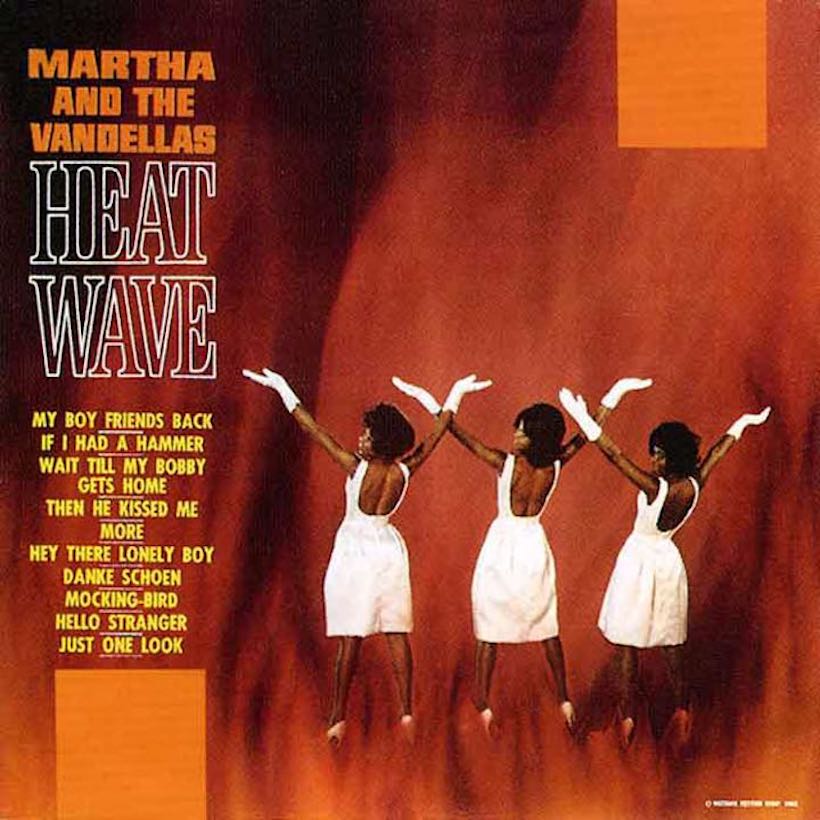
“(Love Is Like A) Heat Wave” – Martha Reeves & The Vandellas
#4 peak
#32 year-end
1963 was the breakthrough year of Lamont Dozier and Eddie and Brian Holland, the greatest songwriting team during the tenure of Motown. And this was their breakthrough hit song, and a key song that cemented Martha Reeves and the Vandellas, the group that brought us “Dancing In The Street,” arguably the greatest Motown song ever made, as a mainstream force.
Oh, did I say force? I meant that literally from Martha Reeves’s lead vocals. As with “Dancing In The Street,” everything here sounds great, but Reeves’s vocals are the standout with how impassioned she is about her newfound love. The love in this song can be a bit overly dramatic with comparing the feeling to a “heat wave,” but I believe that it feels like it because Reeves absolutely sells it.
Additionally, the music sounds good here too, but surprisingly, it is the saxophone that stands out here. Mike Terry’s saxophone adds the backbone to the music in the intro, and then steps out for a bluesy yet powerful solo. “Heat Wave” may not quite reach the heights of “Dancing In the Street,” but it was proof that Martha and the Vandellas were on their way.

“That Sunday, That Summer” – Nat King Cole
#12 peak
#87 year-end
Again, for those of you angry that I put “Those Lazy-Hazy-Crazy Days Of Summer” on my worst list, let me state that I think Nat King Cole was a great singer. And this love song stands to me as his true swan song before his untimely death less than two years later.
I almost feel like such a geezer for nominating this song for the list. “That Sunday, That Summer” is one of the last swing ballads to become a hit, and its construction suggests that it wouldn’t have become a hit after the fifties ended. The song begins and ends with a choir singing “If I had to choose just one day,” and the music is primarily based on a strange combination of ukelele and high-pitched strings. With these elements shoved together, especially the choir and the strings, the song teeters on the brink of collapse over its melodramatic music. And yet… the song somehow sounds warm and inviting. There are songs like this that I can’t stand because they are so overdramatic in their presentation about love, but then there are songs, like “That Sunday, That Summer” and Frank Sinatra’s “The Christmas Waltz,” that come back around and become amazing again.
And the lyrics paint a sappy yet sweet romantic picture, though not for the reason intended. Considering the title, this song was clearly meant to evoke images of a sunny day:
Newborn whippoorwills were calling from the hills
Summer was a-coming in but fast
Lots of daffodils were showing off their skills
Nodding all together, I could almost hear them whisper
“Go on, kiss her, go on and kiss her”
But honestly, it doesn’t sound like that. With its strings and choir, as well as Nat’s vocals, this song evokes memories of a romantic night on the promenade, not a daytime outing. But that’s part of its charm – “That Sunday, That Summer” is just a sweet story about how a couple came to be, on that summer night. It is a dramatic song musically, and technically it fails lyrically – but then it all backfired in the best way possible.
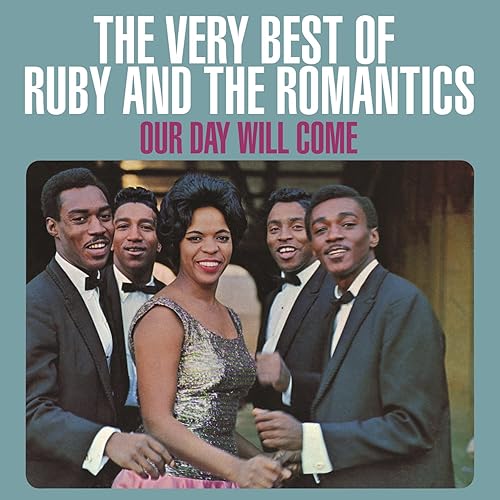
“Our Day Will Come” – Ruby & The Romantics
#1 peak (March 23, 1963)
#42 year-end
Considering how most people hear the original of a song first, then hear the subsequent covers of said songs, it’s fun to do the reverse on the rare occasions where it happens. I was first exposed to this song in college – except it was called “Exchange” by Massive Attack, from their 1998 album Mezzanine. Then I learned, at some point, that it sampled “Our Day Will Come,” but not the version discussed here. That version was by soul legend Issac Hayes, from his 1970 album To Be Continued… And I finally learned of the original a few months ago, nearly seven years after first hearing elements of the song. I think it’s fair to say that I have sentimental feelings towards “Our Day Will Come.”
“Our Day Will Come” doesn’t necessarily sound like a song that belongs here, being yet another bossa nova song with a simple message about love. And yet, that’s what I like about it, especially considering that the instrumentation is deceptive. The Hammond organ sounds hypnotic throughout the song, and the unsung hero is the xylophone – yes, it works here. And then there is the unusual chord structure with its E flat – G flat 7th – F minor 7th – B flat 7th progression. It almost sounds like a precursor to Burt Bacharach, a legendary songwriter known for his use of unusual jazz chord progressions in pop music, who made his breakthrough as a songwriter the following year. And the lyrics, with its idealistic view of having “everything” due to the “joy falling in love can bring” are sweet. See? That’s all I want. Lyrics that are happy. Is that too hard to ask? Whatever, I like it.

“Fingertips (live)” – Stevie Wonder
#1 peak (August 10-24, 1963)
#8 year-end
We didn’t deserve Stevie. We truly didn’t.
The first example that we didn’t deserve him was this, his first hit song, at the ripe old age of TWELVE. It was recorded at the Regal Theater at Chicago, and it is already apparent that the energy between Stevie and his audience is contagious, especially at the beginning of part 2 where Stevie has “Everybody say yeah!” The longest hit song of the year, “Fingertips” is essentially an extended harmonica solo where Wonder gets to show off his skills with the instrument, with a repetitive but effective soul backing track (with Marvin Gaye on drums, I might add).
But really, this song is all about Stevie’s interaction with the crowd. Aside from the famous “Everybody say yeah” part, Stevie just spends the whole time going into call and response with the audience. This all starts at the beginning of the song, where Stevie has everyone clap their hands to the song, then continues,
Stomp your feet
Jump up and down
Do anything that you WANNA do!
Is this the greatest song Stevie ever recorded? Probably not, as songs like “Higher Ground” and “Superstition” were on the horizon. But it will make you want to stomp your feet and jump up and down. Not only that, but it revealed to the world that this 12 year old kid was something special. And since little Stevie just told me to do anything that I wanna do, I’m going to rob a bank.
[A day in jail later]
UP NEXT: The best song 1963 had to offer.
SOURCES
Murphy, James B. Becoming The Beach Boys, 1961-1963. Jefferson, NC: McFarland, 2015. Book. 12 June 2022.
Breihan, Tom. “The Number Ones: Jimmy Gilmer And The Fireballs’ ‘Sugar Shack.’” Stereogum 4 June 2018. Web. 12 June 2022 https://www.stereogum.com/1999603/the-number-ones-jimmy-gilmer-and-the-fireballs-sugar-shack/columns/the-number-ones/.
IMAGE SOURCES
Surfer Girl, Just One Look and Other Memorable Selections, Sugar Shack, and The Very Best Of Ruby And The Romantics: Our Day Will Come album covers from Amazon
“Then He Kissed Me” single cover from RYM
“Surf City” and “Fingertips” single covers and screenshot of discussion on “Sugar Shack” from Stereogum
The Monkey Time album cover from Spotify
Heat Wave album cover from uDiscoverMusic
Nat King Cole advertisement from 45cat
 Dr. Nelson Winston
Leave a comment